By: Kristina Ford
Homeschooling is a deeply personal decision for any family—but when you’re raising two young children on the autism spectrum, it can feel both empowering and overwhelming at the same time. At ages 4 and 6, children are just beginning their formal learning journeys, and for neurodivergent learners, those early years are especially important.
If you’re considering or currently living this path, here’s an honest look at the positives and negatives of homeschooling two autistic children.
The Positives
1. Individualized Learning at Its Best
One of the greatest benefits of homeschooling is the ability to tailor education to each child’s unique needs. Autism is a spectrum, meaning your 4-year-old and 6-year-old may learn in completely different ways. At home, you can:
- Adjust pacing (slow down or accelerate as needed)
- Use preferred interests to teach core skills
- Incorporate sensory-friendly materials and environments
There’s no pressure to “keep up” with a class—progress is defined by your child’s growth.
2. Flexible Scheduling Reduces Stress
Traditional school schedules can be overwhelming for children on the spectrum. Homeschooling allows you to:
- Build routines that match your children’s natural rhythms
- Take breaks when sensory overload happens
- Schedule therapies (speech, OT, etc.) without conflict
This flexibility often leads to fewer meltdowns and a more regulated day.
3. Safe and Supportive Environment
Home can be a safe space where your children feel understood and accepted. You can:
- Minimize sensory triggers (noise, lighting, crowds)
- Provide immediate emotional support
- Teach self-regulation strategies in real time
This emotional safety can significantly improve learning readiness.
4. Stronger Family Connection
Spending this time together allows you to deeply understand your children—their communication styles, triggers, strengths, and passions. Many families find:
- Improved communication
- Stronger sibling relationships
- More meaningful daily interactions
5. Integration of Life Skills
Homeschooling naturally lends itself to teaching real-world skills:
- Cooking, cleaning, and daily routines
- Social communication in familiar settings
- Self-help and independence skills
For children on the spectrum, these functional skills are just as important as academics.
The Challenges
1. Balancing Two Different Needs
Teaching one child is demanding—teaching two children with different sensory, communication, and learning needs can feel like juggling constantly.
- One child may need 1:1 support while the other also needs attention
- Transitions between activities can be difficult for both
It requires planning, patience, and flexibility—sometimes minute by minute.
2. Parental Burnout Is Real
You are not just a parent—you are also the teacher, therapist, scheduler, and advocate. This can lead to:
- Mental and emotional exhaustion
- Limited personal time
- Feeling “on” all the time
Without intentional breaks and support, burnout can creep in quickly.
3. Limited Social Opportunities (If Not Planned)
Social interaction doesn’t happen as naturally as it might in a traditional school setting. You may need to actively seek out:
- Playgroups or homeschool co-ops
- Therapy-based social skills groups
- Community activities that are sensory-friendly
Social development requires intentional effort.
4. Accessing Services Can Be More Complex
Public schools often provide built-in services like speech therapy, occupational therapy, and special education support. When homeschooling:
- You may need to coordinate private services
- Insurance and costs can be a factor
- Navigating local resources can take time and research
5. Doubt and Outside Pressure
You may encounter questions or criticism from others who don’t understand your choice. Internally, you might also wonder:
- “Am I doing enough?”
- “Am I qualified?”
- “Is this the best option long-term?”
These doubts are normal—but they can be heavy.
Finding Balance
Homeschooling two young children on the autism spectrum is not about perfection—it’s about responsiveness. Some days will feel incredibly rewarding; others may feel like survival mode.
What matters most is:
- Meeting your children where they are
- Celebrating small wins
- Giving yourself grace
You don’t have to replicate school at home. In fact, the beauty of homeschooling is that you don’t.
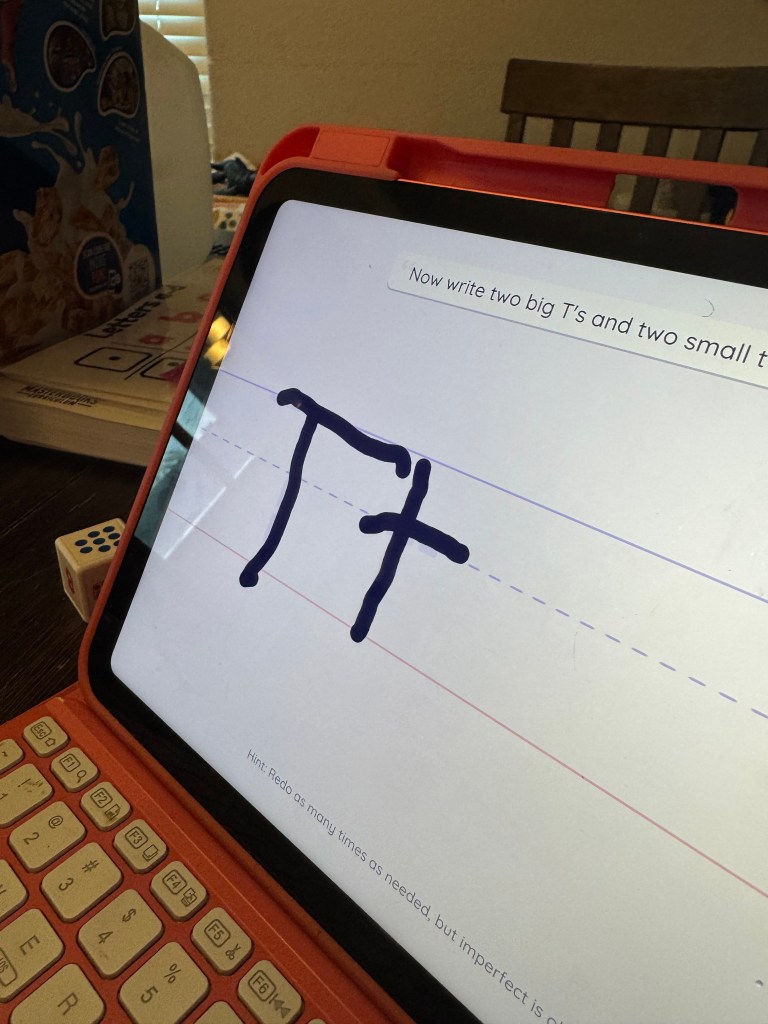
 Spectrum Homeschool Notes
Leave a comment